







Europe mandates AI identification: transparency is now part of the product
Europe has just made AI transparency a practical requirement for any company that publishes, distributes, or automates content. The conversation is no longer just about how capable a model is, but about how the public is informed when an image, video, voice, or text was generated or modified using AI.
This change is significant because it touches on digital trust at one of its most sensitive points: the boundary between what is real, what is edited, and what is completely synthetic. For years, platforms treated AI labeling as a voluntary best practice. Now it is beginning to be seen as part of the product, legal management, and brand reputation.
What changes for businesses and creators?

The new European obligations address two layers. The first is technical: that providers of generative systems facilitate mechanisms to identify the artificial origin of content. The second is visible: that those who publish materials capable of appearing authentic clearly communicate that they were generated or manipulated with AI when the context requires it.
In practice, this is pushing marketing teams, media outlets, agencies, and digital retailers to review their internal workflows. It's not enough to simply produce faster. It's also necessary to document what was generated by AI, what was reviewed by humans, and when it's appropriate to notify the end user.
For smaller brands, the news may seem distant, but it will have an indirect effect. Large platforms will adjust forms, metadata, publishing policies, and detection systems. Anyone using design, video, advertising, or customer service tools will likely see new checkboxes, labels, and source reports in the coming months.
The challenge: to label without breaking the experience

The tricky part will be finding the right balance. An overly aggressive watermark can make legitimate content seem suspicious. A notice that's too hidden can undermine transparency. That's why many companies are starting to separate their content into three groups: human-generated content, AI-assisted content, and content generated primarily by AI.
There's also a technical challenge: watermarks and metadata can be lost when an image is downloaded, compressed, or re-uploaded to another platform. This means that visible watermarking will remain crucial in campaigns, videos, public statements, and sensitive materials.
Transparency shouldn't be seen merely as an obligation. When implemented correctly, it can become a sign of trust. A business that explains how it uses AI to create images, translate text, or summarize information conveys more professionalism than one that waits to be questioned.
Why this news matters

Generative AI is already part of everyday work: it writes drafts, creates ads, edits photos, produces synthetic voices, and helps answer customer inquiries. This new phase demands a more mature editorial culture, with human review and clear publication criteria.
Companies that adopt simple traceability processes now will have an advantage. They'll be able to scale content without having to improvise every time a platform or regulator requests evidence of a piece's origin. The message is clear: in the coming digital economy, speed matters, but trust will be the true filter.
Deja un comentario
Enviando comentario…
Herramientas
 EmiteDocs
Diplomas en lote: 3/semana gratis, hasta 1000 por $500. Contratos: desde $199, hasta 100.
EmiteDocs
Diplomas en lote: 3/semana gratis, hasta 1000 por $500. Contratos: desde $199, hasta 100.
 CrearPlantillas
Editor visual. 2 gratis/mes, 5/semana con cuenta, o 20 descargas por $69 MXN.
CrearPlantillas
Editor visual. 2 gratis/mes, 5/semana con cuenta, o 20 descargas por $69 MXN.
 TuRSVP
Invitaciones con RSVP. Desde $299 MXN, pago único.
TuRSVP
Invitaciones con RSVP. Desde $299 MXN, pago único.
 Minitareas
Tableros con Google. Libre: 1 tablero. Pro: $249 MXN al mes.
Minitareas
Tableros con Google. Libre: 1 tablero. Pro: $249 MXN al mes.
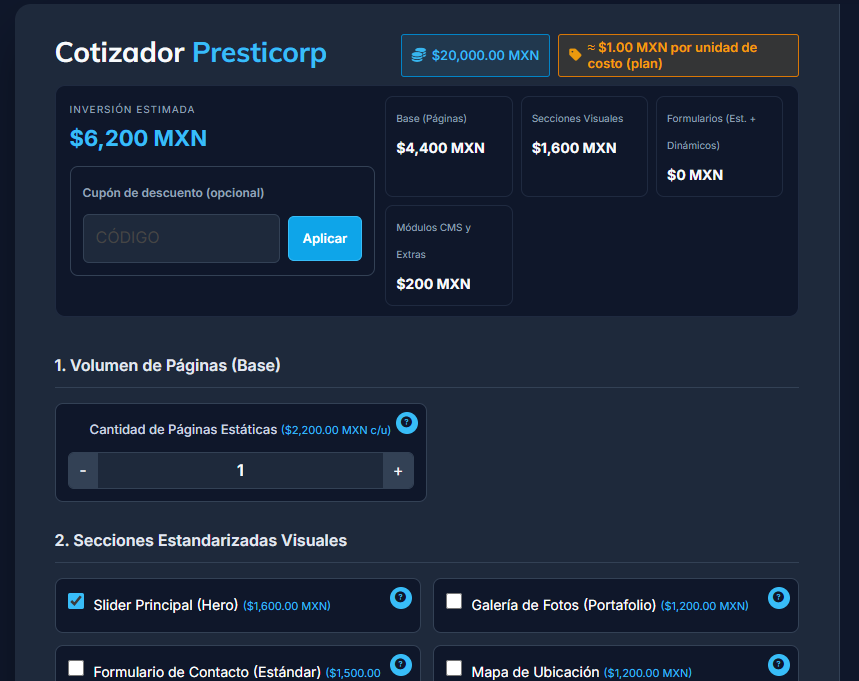
 Cotización de páginas web
Arma tu sitio por módulos y cotiza en MXN. Usarlo no tiene costo.
Cotización de páginas web
Arma tu sitio por módulos y cotiza en MXN. Usarlo no tiene costo.
 Convertidor de formatos
Convierte Excel, Word, PDF e imágenes. $150 MXN al mes, hasta 200.
Convertidor de formatos
Convierte Excel, Word, PDF e imágenes. $150 MXN al mes, hasta 200.
 Monitor Global
Clima, sismos, huracanes y tsunamis. Consulta gratis.
Monitor Global
Clima, sismos, huracanes y tsunamis. Consulta gratis.
 Promo a la vista
Catálogo gratis. Resumen gratis o desde $200/mes. Comida destacada: $500/mes.
Promo a la vista
Catálogo gratis. Resumen gratis o desde $200/mes. Comida destacada: $500/mes.
 Ravicom
Restaurantes y platillos. Buscar y registrar es gratis.
Ravicom
Restaurantes y platillos. Buscar y registrar es gratis.
Articulos recomendados


30-09-2026 5:48:39
Presticorp
Landing pages especializadas
¿Proyecto totalmente personalizado? Contáctanos.
Si tu proyecto requiere una solución más enfocada, entra directo a la landing ideal para tu negocio y envíanos tu información en el formulario correspondiente.
Startups
MVP, validación de idea, producto digital y escalabilidad.
Pymes
Marketing digital, captación de clientes y crecimiento comercial.
E-commerce
Tiendas en línea, catálogo, checkout y ventas automatizadas.
Soluciones empresariales
Sitios corporativos, automatización y soluciones digitales a medida.
Promo a la vista
Promociones más recientes
Ofertas vigentes del catálogo, de la más nueva a la más antigua.
Ver promociones Chamarra Original Trucker Tipped Levi's® (Azul)
Chamarra Original Trucker Tipped Levi's® color azul, corte regular
Chamarra Original Trucker Tipped Levi's® (Azul)
Chamarra Original Trucker Tipped Levi's® color azul, corte regular
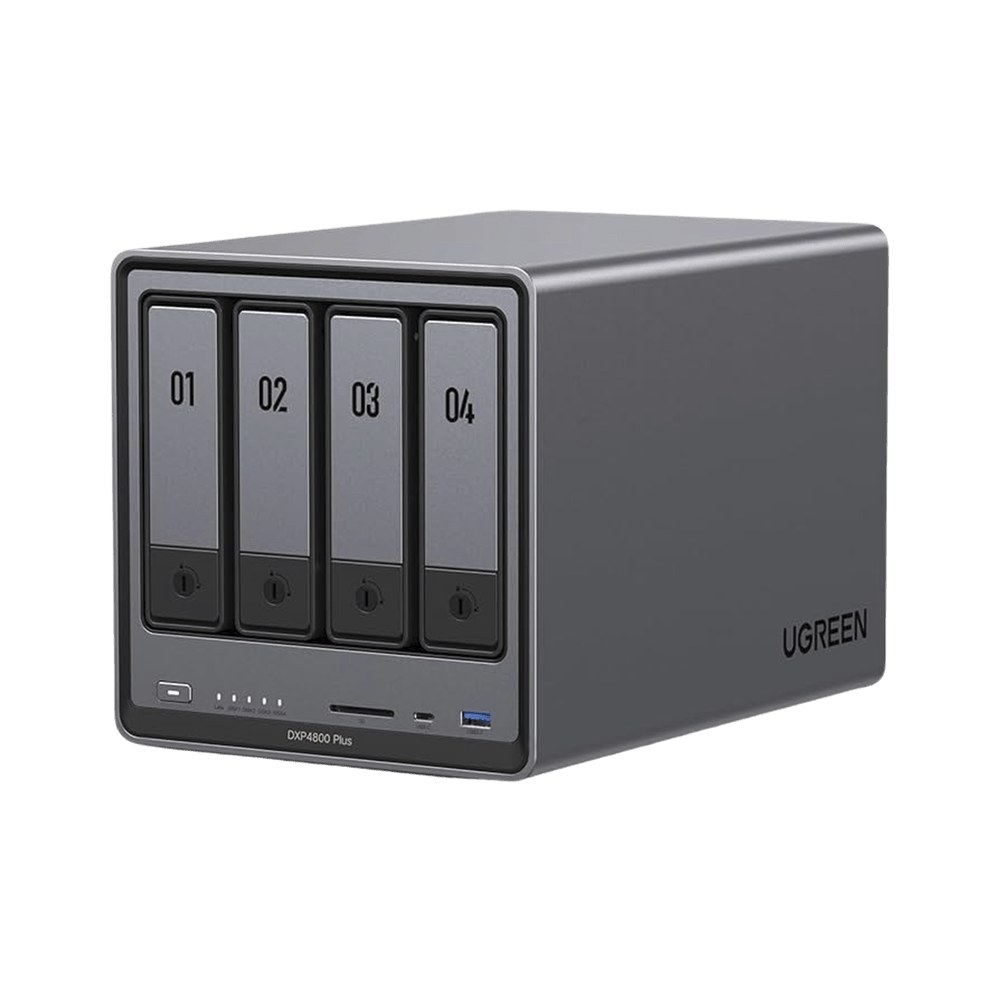 Mini servidor NAS UGREEN DXP4800 Plus 4 bahías (−$4,569)
Mini servidor NAS UGREEN NASync DXP4800 Plus 4 bahías, Intel Pentium Gold 8505, 8GB DDR5
Mini servidor NAS UGREEN DXP4800 Plus 4 bahías (−$4,569)
Mini servidor NAS UGREEN NASync DXP4800 Plus 4 bahías, Intel Pentium Gold 8505, 8GB DDR5
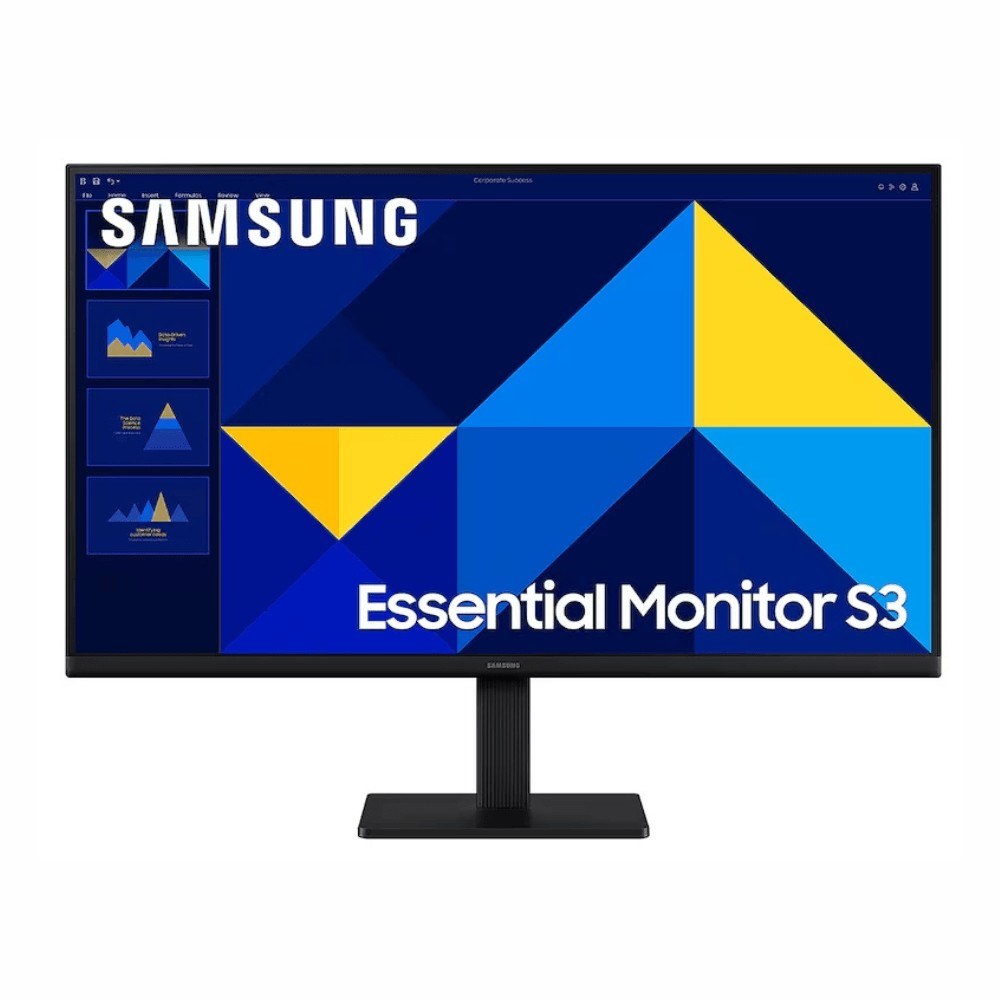 Monitor Samsung Essential S3 27" FHD 100 Hz
Monitor plano Samsung Essential S3 27" LED FHD 1920x1080 100 Hz negro (LS27D300GALXZX)
Monitor Samsung Essential S3 27" FHD 100 Hz
Monitor plano Samsung Essential S3 27" LED FHD 1920x1080 100 Hz negro (LS27D300GALXZX)
 iPad Mini A17 Pro 512GB WiFi+Cellular Gris (−$1,774)
Apple iPad Mini A17 Pro 8.3", 512GB, WiFi + Cellular, Gris Espacial (7ª gen)
iPad Mini A17 Pro 512GB WiFi+Cellular Gris (−$1,774)
Apple iPad Mini A17 Pro 8.3", 512GB, WiFi + Cellular, Gris Espacial (7ª gen)











0 Comentarios