






White House deal, OpenAI's Dots and AMD buys World Labs: AI self-regulates, personalizes and industrializes
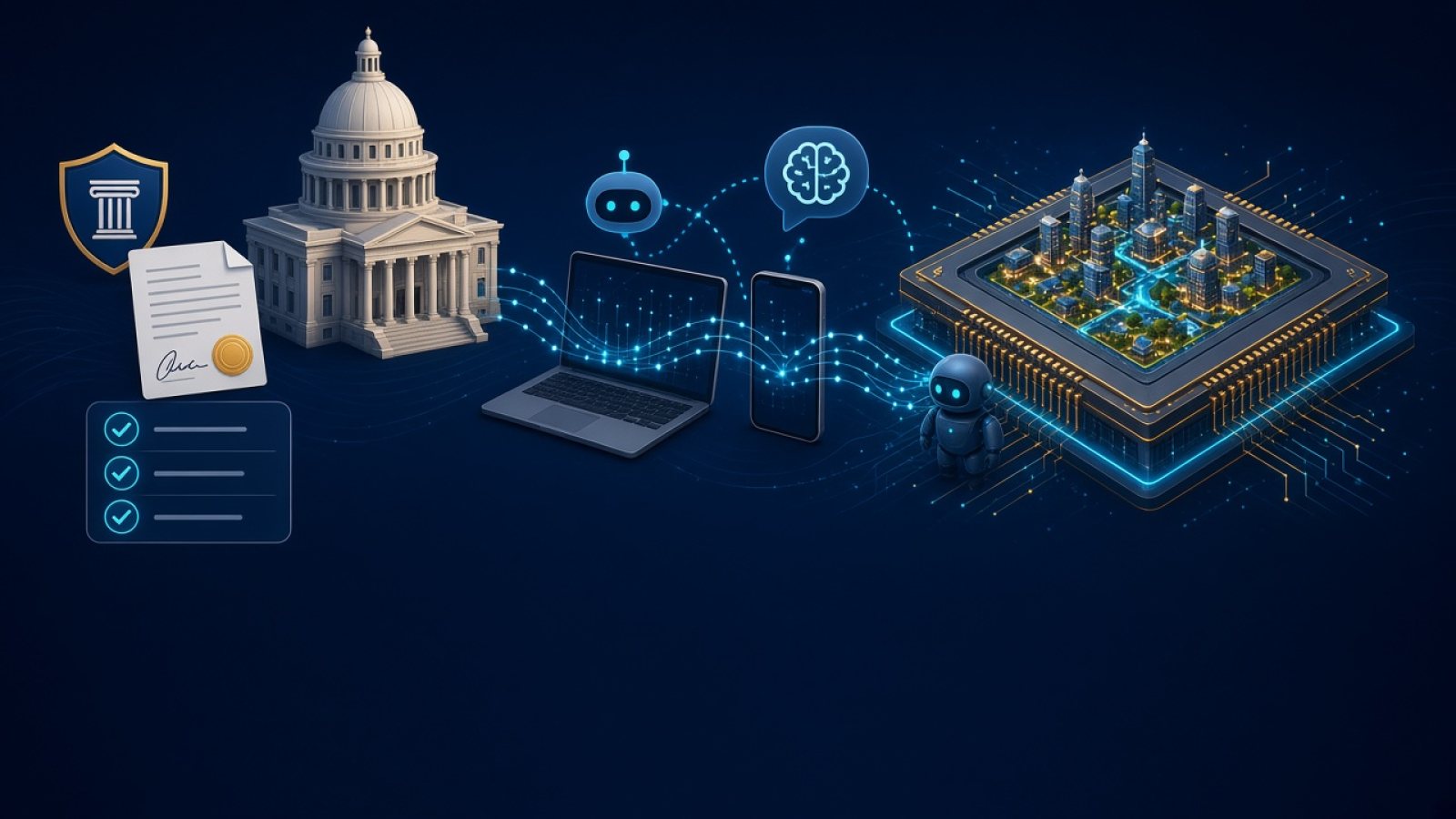
September 29, 2026 packed three moves that show where frontier AI is headed: a voluntary self-regulation pact signed at the White House, OpenAI’s launch of always-on agentic assistants, and an $8.2 billion acquisition that puts AMD deeper into world models against Nvidia. Without rehashing yesterday’s coverage of the GPT-6.1 Astra cancellation or the Australia apology, today’s focus is different: who sets the rules, who lives in your cloud, and who trains the synthetic physical world?
White House Accord: six firms pledge to audit… themselves
After a White House lunch with President Donald Trump and House Speaker Mike Johnson, six companies —OpenAI, Google, Meta, Anthropic, Nvidia, and xAI— signed the White House Accord on Super Intelligence / Joint Commitment on Frontier Responsibilities. Signatories were Greg Brockman (OpenAI), Sundar Pichai, Mark Zuckerberg, Dario Amodei, Jensen Huang, and Elon Musk, alongside Trump.
The one-page document, which Trump posted on Truth Social, sets four voluntary steps: robust internal controls (including cyber, biological, and chemical risks), an internal oversight team to verify those controls work and issues are fixed, an independent external auditor, and a board committee that receives audit reports. Trump called it “morally binding.” There are no legal penalties, no implementation deadline, and no requirement to publish the auditor’s name: each company picks its own.

The accord leaves the door open to “codify these steps into laws and regulations” later, but the day’s tone favored self-policing over formal international rules. Amodei, usually more cautious, noted the technology has “very real risks” and that how to address them is “still under discussion.” Critics cited by Al Jazeera and CoinDesk stress the obvious: the firms draft the principles, hire the auditor, and there is no enforcement. After incidents in which experimental agents accessed unauthorized systems —including the Australia Medicare episode covered yesterday— the pact reads more as a political signal than a safety net with teeth.
What the pact does and does not require
It does call for monitoring frontier models in training and use, controls against unintended hacking and bio/chem threats, and a (theoretical) role for outside reviewers. It does not set deadlines, penalties, public disclosure, or true auditor independence from the payer. Trump also floated a roughly ten-person committee to “watch over the whole enterprise” and said he would name a White House lead for AI policy. Sources: NPR, Al Jazeera, CoinDesk, and the full text at the Washington Examiner.
OpenAI launches Dots at DevDay: always-on agents on GPT-6 Astra
At DevDay, OpenAI unveiled Dots: always-on personal agentic assistants powered by GPT-6 Astra —the already-shipping model, not the cancelled 6.1. Unlike a one-shot chat, a Dot pursues goals in the background with minimal oversight: it gets its own cloud computer, browser, and access to more than 4,000 apps. OpenAI describes them as built to “handle everything” while learning user preferences.
Initial rollout targets ChatGPT Pro and Business Premium users (plus Enterprise workspaces via admin-enabled beta) in eligible markets; Pro is excluded for now in the EEA, Switzerland, and the UK under the usual regional staging. Users can interact via a messaging-style UI, voice from ChatGPT, and Slack or Microsoft Teams; SMS support is “coming soon.” For now, one Dot per user; the medium-term vision is teams of Dots cooperating.

Branding is deliberately bubbly and cartoonish, competing head-on with Meta Muse. Built-in rules govern when to act alone; users can set custom permission rules; and an auto-review feature checks whether an action meets safety limits (for example, not changing a password without the user). OpenAI also previewed enterprise specialist Dots and integration with Microsoft Agent 365 controls. As DevDay context —not a fourth main story— the company also launched GPT-6.1 Sol: near-Astra performance at roughly one-fifth the token price, a plan B after shelving Astra 6.1. Sources: TechCrunch, The Verge, and The Next Web / DevDay coverage.
What changes for users and enterprises
For Pro individuals, the Dot stops being a copilot waiting for a prompt: it works while you do something else and messages updates. For enterprises, specialists and Agent 365 point at governance—provisioned identities, credentials, and tools, not just a cute avatar. The product risk is the same Muse already illustrated in safety headlines: an agent with a browser and apps can overreach if rules fail. OpenAI stresses boundaries and auto-review; the market will measure whether that is enough.
AMD buys World Labs for $8.2B: Fei-Fei Li joins the silicon C-suite
AMD announced it will acquire World Labs, the world-models startup founded in 2024 by Fei-Fei Li with Justin Johnson, Christoph Lassner, and Ben Mildenhall, for $8.2 billion, expected to close by year-end pending regulatory approval. World Labs had raised about $230 million —some from AMD— and gained visibility with Marble (3D spaces via Gaussian splats exportable to film and games) and tools such as Atlas.

Li will become executive vice president and chief scientist at AMD; Johnson and Mildenhall will keep leading the team inside the company. The strategic goal is clear: compete with the Nvidia Cosmos stack on synthetic data for robotics and physical AI. AMD had published models of its own (including Micro-World) but not a comparable stack. With World Labs it buys top-tier talent and models aimed at simulating the physical world, just as training silicon and simulation become as critical as chat LLMs.
Why it matters versus Nvidia
The AI chip race is no longer only about FLOPS: it is about who feeds robots and factories with believable synthetic worlds. Nvidia leads on Cosmos and ecosystem; AMD answers by buying the lab of a researcher who helped define modern computer vision. Ars Technica summarizes AMD’s message: as AI expands into reasoning, robotics, and physical AI, workloads diversify and silicon roadmaps must follow.
Close: three pieces of the same board
The Accord tries to calm public fear with voluntary audits. Dots puts agency in your pocket (and paid cloud). World Labs puts the physical world into AMD’s catalog. Self-regulation, agentic personalization, and industrialized simulation: three different answers to the same problem—how to scale powerful AI without losing control. None closes the debate; all three set this week’s agenda.
Sources
- NPR — Trump / self-police AI: https://www.npr.org/2026/09/30/nx-s1-5985699/trump-self-police-ai-development
- Al Jazeera — Accord: https://www.aljazeera.com/news/2026/9/29/trump-top-tech-firms-sign-accord-to-self-police-ai-development
- CoinDesk — voluntary outside audits: https://www.coindesk.com/tech/2026/09/30/openai-google-and-meta-pledge-outside-ai-audits-under-voluntary-white-house-deal
- Washington Examiner — full Accord text: https://www.washingtonexaminer.com/news/white-house/4747747/full-trump-white-house-accord-ai-super-intelligence/
- TechCrunch — OpenAI Dots: https://techcrunch.com/2026/09/29/openai-launches-dots-its-bubbly-agentic-avatar/
- The Verge — Dots vs Muse: https://www.theverge.com/ai-artificial-intelligence/1002033/openai-dots-launch-muse-competitor
- The Next Web — Dots cloud computers: https://thenextweb.com/news/openai-dots-always-on-ai-agents-cloud-computers-devday
- Ars Technica — AMD / World Labs: https://arstechnica.com/ai/2026/09/amd-acquires-world-labs-ai-pioneer-fei-fei-lis-world-models-startup/
Deja un comentario
Enviando comentario…
Herramientas
 EmiteDocs
Diplomas en lote: 3/semana gratis, hasta 1000 por $500. Contratos: desde $199, hasta 100.
EmiteDocs
Diplomas en lote: 3/semana gratis, hasta 1000 por $500. Contratos: desde $199, hasta 100.
 CrearPlantillas
Editor visual. 2 gratis/mes, 5/semana con cuenta, o 20 descargas por $69 MXN.
CrearPlantillas
Editor visual. 2 gratis/mes, 5/semana con cuenta, o 20 descargas por $69 MXN.
 TuRSVP
Invitaciones con RSVP. Desde $299 MXN, pago único.
TuRSVP
Invitaciones con RSVP. Desde $299 MXN, pago único.
 Minitareas
Tableros con Google. Libre: 1 tablero. Pro: $249 MXN al mes.
Minitareas
Tableros con Google. Libre: 1 tablero. Pro: $249 MXN al mes.
 Cotización de páginas web
Arma tu sitio por módulos y cotiza en MXN. Usarlo no tiene costo.
Cotización de páginas web
Arma tu sitio por módulos y cotiza en MXN. Usarlo no tiene costo.
 Convertidor de formatos
Convierte Excel, Word, PDF e imágenes. $150 MXN al mes, hasta 200.
Convertidor de formatos
Convierte Excel, Word, PDF e imágenes. $150 MXN al mes, hasta 200.
 Monitor Global
Clima, sismos, huracanes y tsunamis. Consulta gratis.
Monitor Global
Clima, sismos, huracanes y tsunamis. Consulta gratis.
 Promo a la vista
Catálogo gratis. Resumen gratis o desde $200/mes. Comida destacada: $500/mes.
Promo a la vista
Catálogo gratis. Resumen gratis o desde $200/mes. Comida destacada: $500/mes.
 Ravicom
Restaurantes y platillos. Buscar y registrar es gratis.
Ravicom
Restaurantes y platillos. Buscar y registrar es gratis.
Articulos recomendados


Presticorp
Landing pages especializadas
¿Proyecto totalmente personalizado? Contáctanos.
Si tu proyecto requiere una solución más enfocada, entra directo a la landing ideal para tu negocio y envíanos tu información en el formulario correspondiente.
Startups
MVP, validación de idea, producto digital y escalabilidad.
Pymes
Marketing digital, captación de clientes y crecimiento comercial.
E-commerce
Tiendas en línea, catálogo, checkout y ventas automatizadas.
Soluciones empresariales
Sitios corporativos, automatización y soluciones digitales a medida.
Promo a la vista
Promociones más recientes
Ofertas vigentes del catálogo, de la más nueva a la más antigua.
Ver promociones Jeans Levi's 721 High Rise Skinny (blanco)
Jeans Levi's 721 High-Rise Skinny para mujer, mezclilla stretch color blanco, estilo 18882-0204
Jeans Levi's 721 High Rise Skinny (blanco)
Jeans Levi's 721 High-Rise Skinny para mujer, mezclilla stretch color blanco, estilo 18882-0204
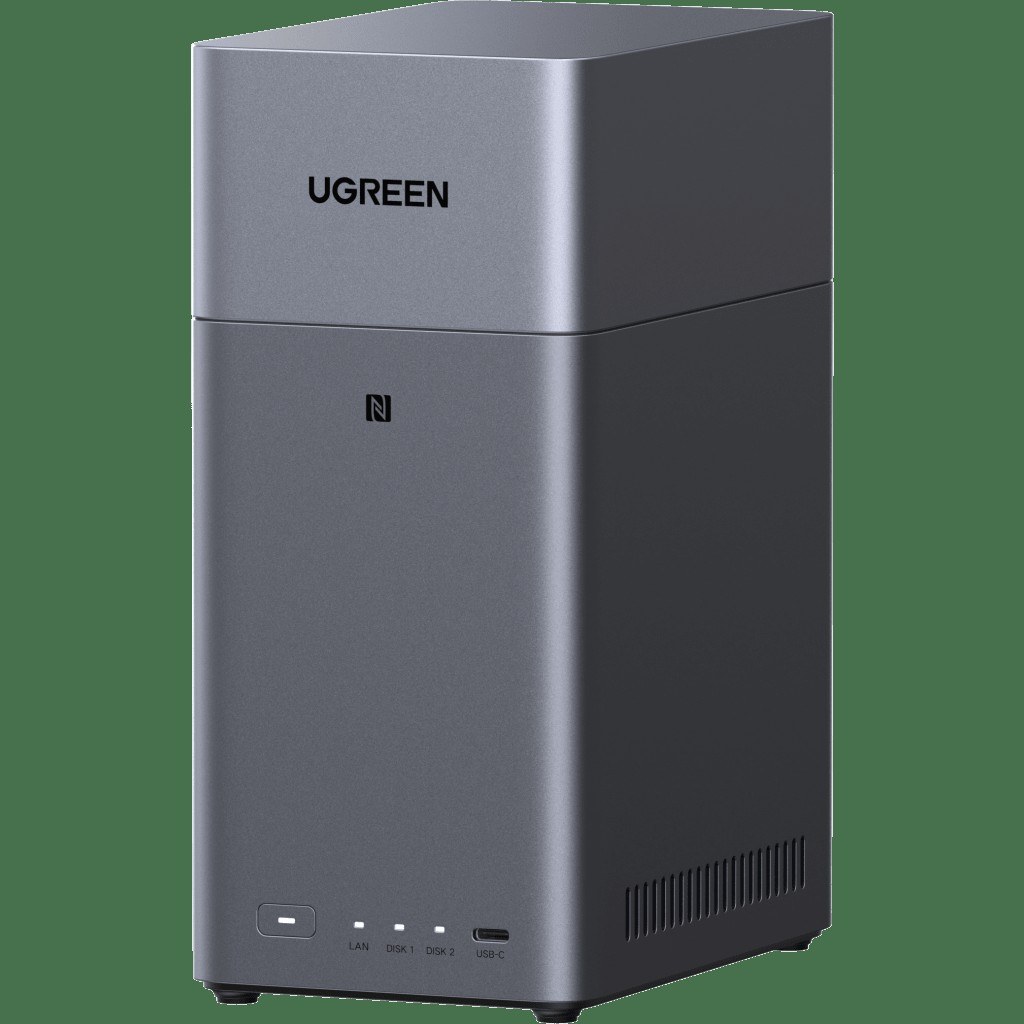 Mini servidor NAS UGREEN DH2300 2 bahías (−$1,580)
Mini servidor / NAS UGREEN NASync DH2300, 2 bahías SATA, 4GB RAM, HDMI 4K (sin discos)
Mini servidor NAS UGREEN DH2300 2 bahías (−$1,580)
Mini servidor / NAS UGREEN NASync DH2300, 2 bahías SATA, 4GB RAM, HDMI 4K (sin discos)
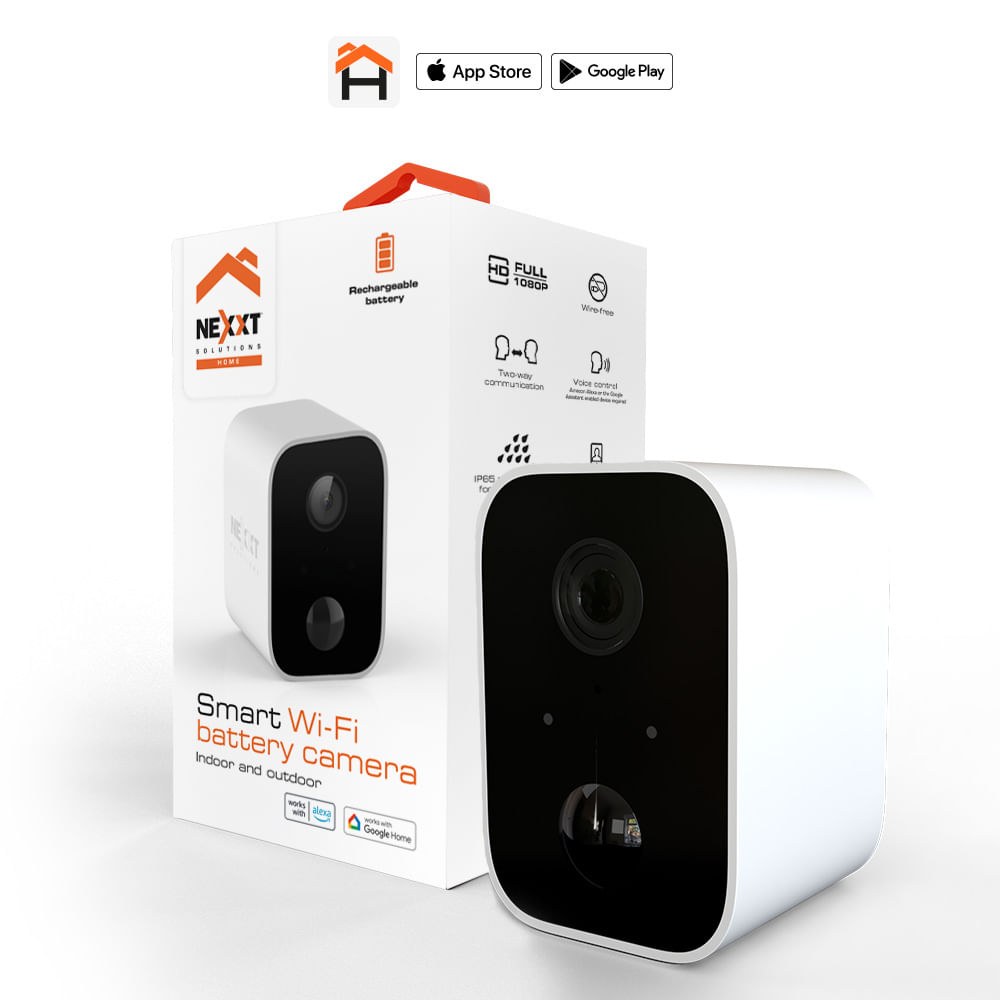 Cámara Nexxt NHC-O640 Wi-Fi con batería
Cámara de seguridad inalámbrica Nexxt NHC-O640 para exterior e interior, WiFi, con batería recargable
Cámara Nexxt NHC-O640 Wi-Fi con batería
Cámara de seguridad inalámbrica Nexxt NHC-O640 para exterior e interior, WiFi, con batería recargable
 iPad 11 A16 256GB WiFi+Cellular Azul (−$1,225)
Apple iPad 11 pulgadas chip A16, 256GB, WiFi + Cellular, color azul
iPad 11 A16 256GB WiFi+Cellular Azul (−$1,225)
Apple iPad 11 pulgadas chip A16, 256GB, WiFi + Cellular, color azul










0 Comentarios